Visitor Overview
Welcome to the detailed visitor guide for Gubbi Kere Reserve Forest. Perched gracefully within the scenic terrains of Tiptur Taluk in the Tumakuru district of Karnataka, this destination represents a perfect blend of geographical beauty, cultural value, and natural ecosystems. Travelers visiting this region are often captivated by the serene ambiance, cool breezes, and stunning landscape vistas. The site is situated at an elevation that commands panoramic views of the surrounding dry-deciduous reserve forest, local agricultural farms, and coconut plantations that characterize Kalpatharu Nadu. Over the years, it has emerged as a key landmark in the district, serving as a hub for weekend travelers, family picnics, and nature explorers. The visual charm of this destination changes beautifully across seasons, offering misty, cool mornings in winter and green, lush layouts during the post-monsoon months. Whether you are seeking a challenging physical climb, historical education, or quiet spiritual contemplation, this spot delivers a highly rewarding travel experience.
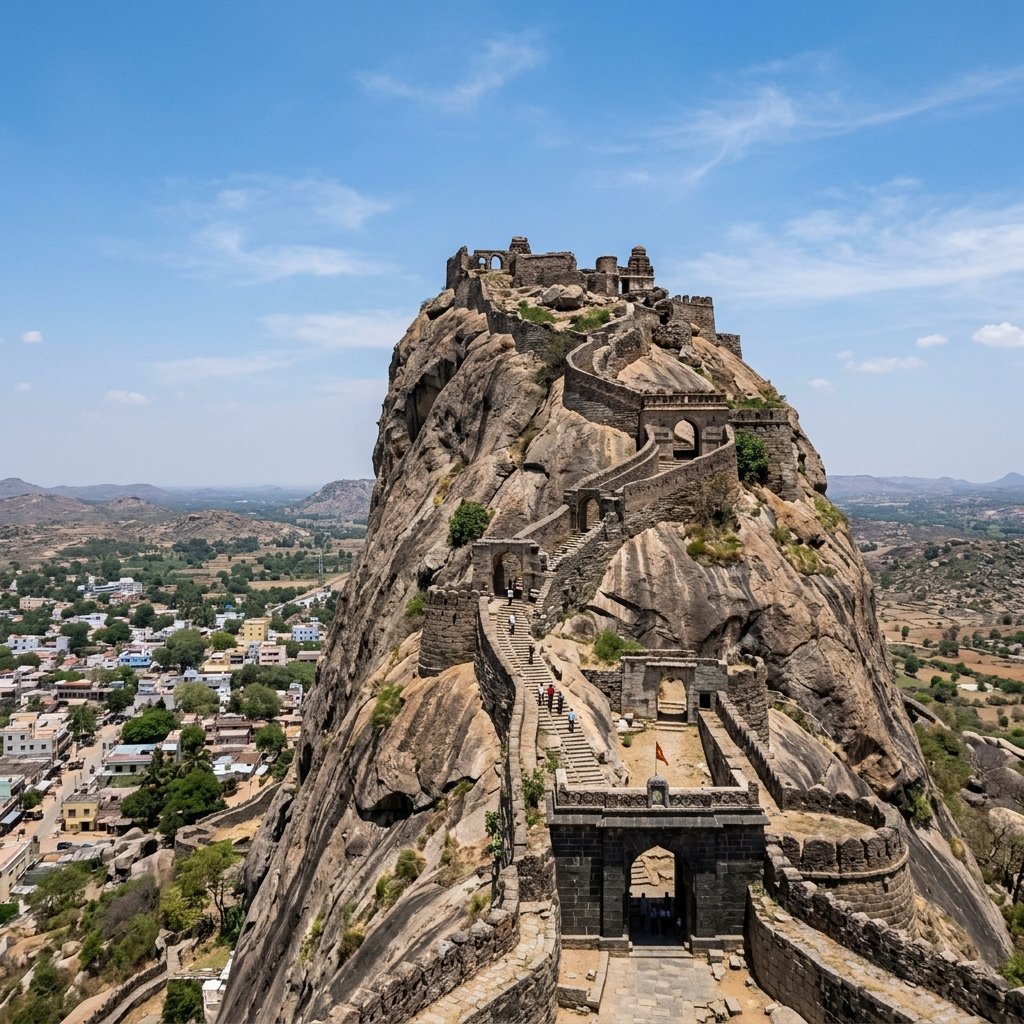
The historical legacy of Gubbi Kere Reserve Forest is deeply intertwined with the dynastic rules that shaped the history of Southern India. Archaeological records and local folklore suggest that the fortifications, step-wells (kalyanis), and older stone structures in and around the site date back to the Vijayanagara and Hoysala periods, with subsequent reinforcements made during the rule of the Palegaras (feudal chieftains) and the Wodeyars of Mysore. In the late 18th century, the region was recognized for its strategic geographical position, leading to minor military fortifications and watchtowers being erected at high vantage points. The local villagers pass down legends of historical sieges, ancient sages performing penance in hidden rocky caves, and royal treasures concealed within the monolith crevices. Inscriptions found on nearby temple bases verify that previous kings granted land revenues to maintain the local shrines and water reservoirs, proving the historical significance this location held.
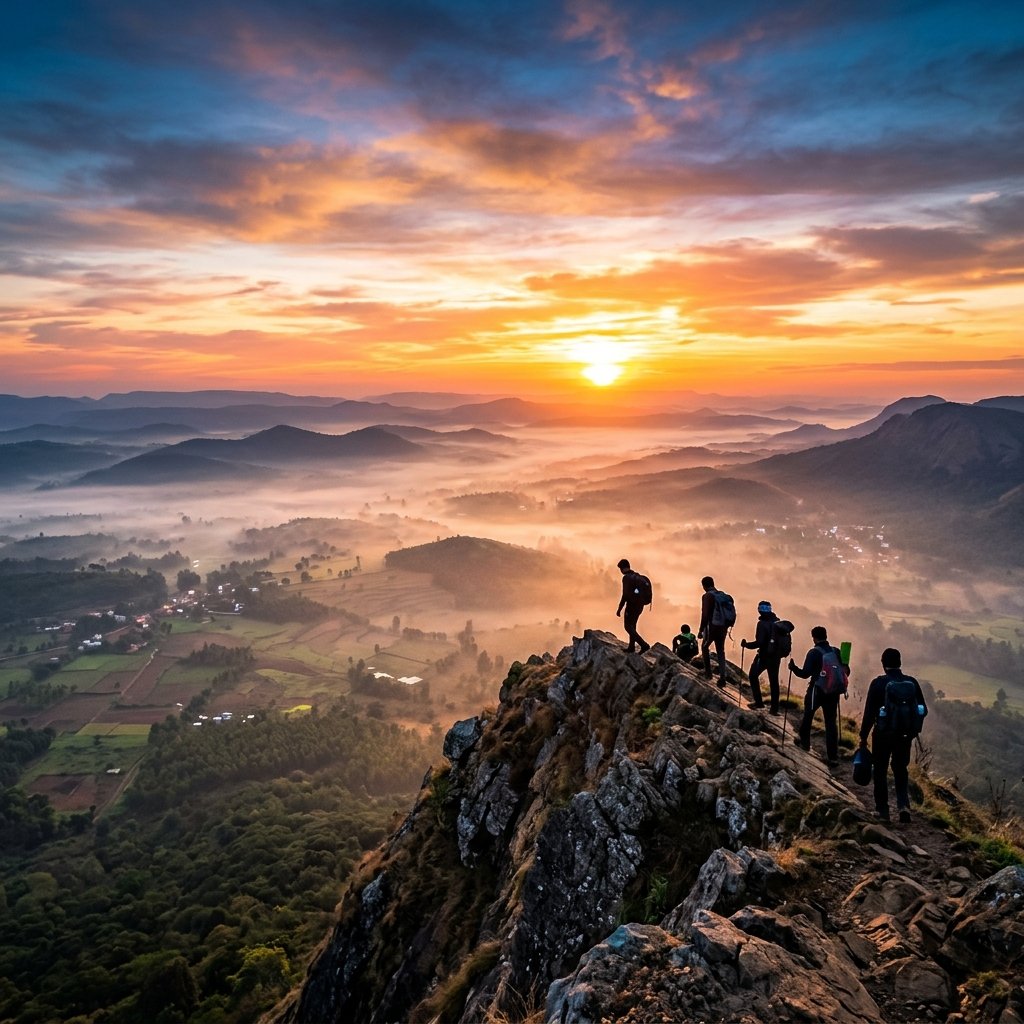
Visiting Gubbi Kere Reserve Forest involves a detailed walkthrough of its unique layout. For those undertaking the physical ascent, the trail begins at the base foothills, leading up through winding paths, ancient stone steps, and natural rocky thresholds. Along the climb, travelers will pass through scenic resting points, structural ruins of previous gateways, and natural pools of mountain water. The stone steps, carved directly into the monolithic rock face, require careful foot placement but offer secure handholds in key sections. Reaching the upper summit reveals open platforms, ancient watchtowers, and small stone shrines where travelers can rest and enjoy the blowing cool air. The panoramic viewpoint from the top provides a 360-degree vista of the vast plains of the Tiptur region, dotted with village settlements, green fields, and distant rocky peaks. Exploring the caves and surrounding rock formations reveals unique weathering patterns and natural shelters used by pilgrims over centuries.
The ecological profile of Gubbi Kere Reserve Forest and its surrounding forest reserve is rich and diverse, serving as a sanctuary for regional flora and fauna. The dry-deciduous forest canopy features native tree species like sandalwood, teak, neem, and bamboo, interspersed with wild medicinal herbs, wild berries, and thorny shrubs. This forest ecosystem supports wild leopards, sloth bears, wild boars, barking deer, and a vast population of bonnet macaques that dwell near the temple zones. For bird-watchers, the canopy provides nesting grounds for diverse avian species, including parakeets, spotted owlets, black drongos, pea fowl, and migrating herons. The natural water springs and step-wells serve as critical drinking sources for the wildlife, especially during the hot summer months. Conservation efforts are actively managed by the forest department to prevent forest fires, preserve the dry-deciduous habitat, and promote eco-friendly travel practices among visiting tourists.
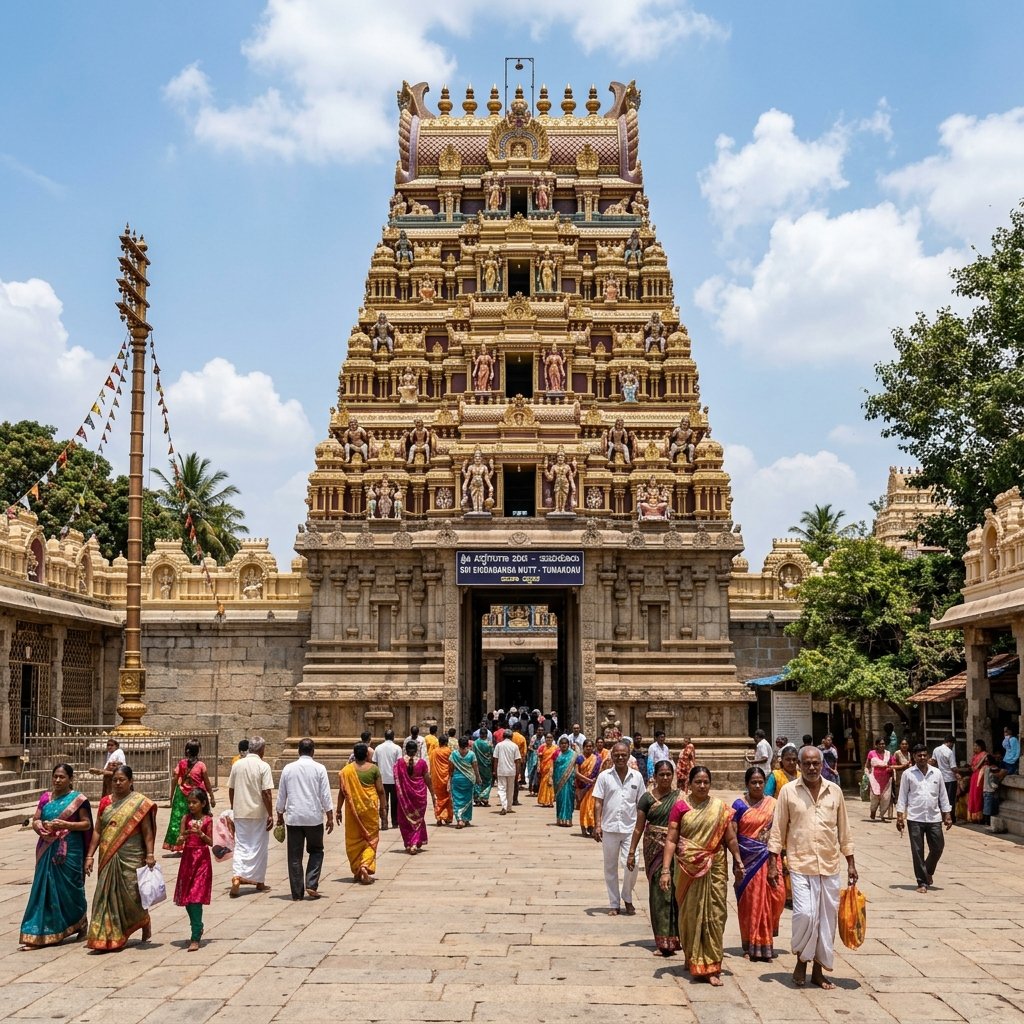
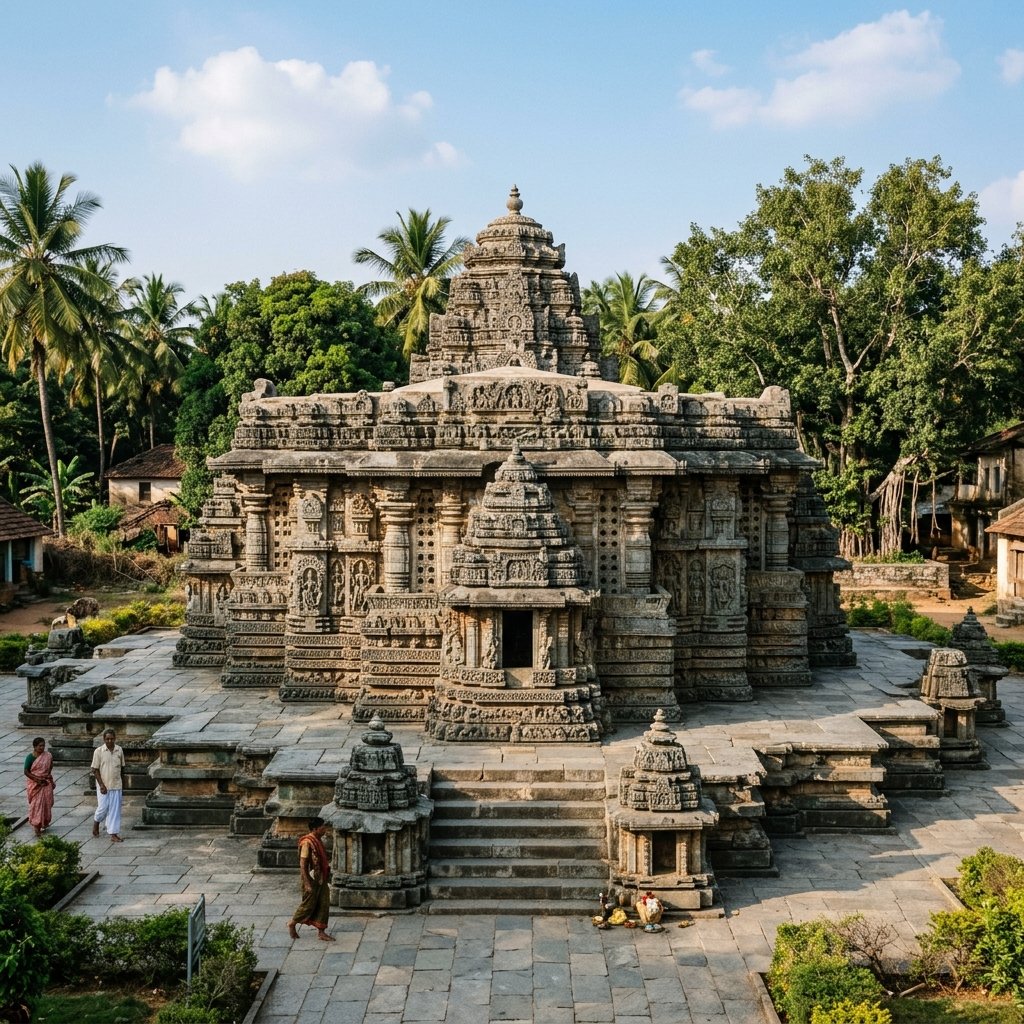
From an architectural perspective, the structures at Gubbi Kere Reserve Forest exhibit the classic craftsmanship of the regional artisans. The main stone temples or fort gateways are constructed primarily of locally quarried grey granite, using mortarless dry-stone interlocking techniques. The pillars inside the pavilions show detailed carvings of traditional floral motifs, mythical beasts (yalis), and scenes from ancient Indian epics. The step-wells (kalyanis) nearby are constructed with geometrically aligned stone slabs, descending into clean groundwater reserves. The structural design of the fort walls shows military intelligence, with angled watchtowers, hidden loopholes for archers, and curved entry points to prevent direct cavalry charges. Even the smaller shrines show attention to detail, with decorated eaves, stone brackets, and classic lintel structures that highlight the architectural transition from the Vijayanagara style to the Wodeyar era.
Reaching Gubbi Kere Reserve Forest is straightforward due to its connectivity with key transport routes. Located about 70 to 110 kilometers from Bangalore, it makes for a highly popular weekend road trip destination. Visitors driving from Bangalore can take the NH 48 (Bangalore-Tumkur Highway), branching off at Urdigere or the respective taluk access roads. The roads leading to the base are well-paved and scenic, passing through coconut groves and rural villages. For those relying on public transport, regular government KSRTC buses run from Bangalore (KBS) and Tumakuru Bus Stand to the respective taluk centers, from where local auto-rickshaws, shared taxis, and mini-buses can be hired to reach the entrance. It is recommended to start the journey early in the morning to beat the highway traffic and arrive at the site before the midday sun becomes too intense.
To preserve the natural beauty and ecological integrity of Gubbi Kere Reserve Forest, visitors are requested to strictly adhere to eco-travel regulations. The area is designated as a plastic-free zone; therefore, all single-use plastic bags, wrappers, and bottles must be carried back or disposed of in designated waste bins at the base. Feeding the wild monkeys or birds is strictly prohibited, as it disrupts their natural hunting habits and makes them aggressive towards humans. Visitors should stay on marked walking trails and avoid wandering into dense undergrowth to prevent disturbing nesting wildlife or damaging rare medicinal plants. Maintain silence near prayer spaces and school zones to respect the local culture. Lighting campfires or disposing of cigarette butts in the forest reserve is highly dangerous and illegal due to the risk of triggering dry-season forest fires.
Exploring Gubbi Kere Reserve Forest can be clubbed with visits to other nearby attractions within Tiptur and neighboring taluks. Nearby, visitors can explore local farming markets, coconut processing yards, and historical temples. For dining, several local Udupi restaurants along the highway serve traditional South Indian breakfasts, including hot idlis, masala dosas, and filter coffee. Accommodation options range from basic tourist lodges at the taluk centers to premium resorts and home-stays located near the hills. Planning a day-trip allows you to combine the adventure of this trek with the spiritual calmness of the local mutts and the scenic beauty of the reservoirs, making for a wholesome travel itinerary in the Tumakuru district.
Historical Context
The natural reserve and water catchment system was developed under eco-conservation acts to preserve local dry-deciduous forest zones and support regional farming water grids.
Responsible Travel Guidelines
Please do not drop plastic packaging or bottles. Carry all trash back to the designated disposal bins.
Maintain silence and avoid feeding any local monkeys, birds, or reptiles in the area.
Practical Travel Tips
Located approximately 12 to 24 km from the taluk headquarters, connected via motorable asphalt roads. Local cabs and bus routes are available.
Wearing high-traction trekking shoes or comfortable walking footwear is highly recommended.
Important Notes
- ⚠Carry enough water and snacks, especially for trekking routes.
- ⚠Wear comfortable footwear suitable for the terrain.
- ⚠Visit early morning or late afternoon to avoid peak heat.
- ⚠Respect local customs and dress modestly at religious sites.
- ⚠Keep the premises clean — carry back your waste.
- ⚠Mobile network may be weak in some areas. Download offline maps.
Traveller Reviews
Amazing place! Gubbi Kere Reserve Forest is absolutely beautiful and well worth the visit. The views are stunning and the atmosphere is peaceful.
Great experience visiting Gubbi Kere Reserve Forest. Highly recommend going early morning. The scenery around is breathtaking and locals are very helpful.
One of the best places near Tumkur! Gubbi Kere Reserve Forest is a must-visit. The journey itself is scenic and beautiful.
Frequently Asked Questions
How far is Gubbi Kere Reserve Forest from Tumkur?
Gubbi Kere Reserve Forest is located in Gubbi Kere Basin, Tiptur Taluk, Tumakuru district, Karnataka.
What is the entry fee for Gubbi Kere Reserve Forest?
Free
What are the visiting hours for Gubbi Kere Reserve Forest?
6:00 AM - 6:00 PM
What is the best time to visit Gubbi Kere Reserve Forest?
October to March
How to reach Gubbi Kere Reserve Forest from Tumkur?
Gubbi Kere Reserve Forest is accessible from Tumkur city via road. Local buses and autos are available.
Is Gubbi Kere Reserve Forest suitable for families?
Yes, this place is suitable for families, couples, and groups of friends alike.
Are there food and accommodation options near Gubbi Kere Reserve Forest?
There are several restaurants and hotels near Gubbi Kere Basin, Tiptur Taluk. Check the directory on tumakuru.me for complete listings.
Is photography allowed at Gubbi Kere Reserve Forest?
Photography is generally allowed at outdoor areas. Please respect any restrictions inside temples or restricted zones.
Quick Info
📡 Satellite Map
Get Directions from TumkurSimilar Attractions
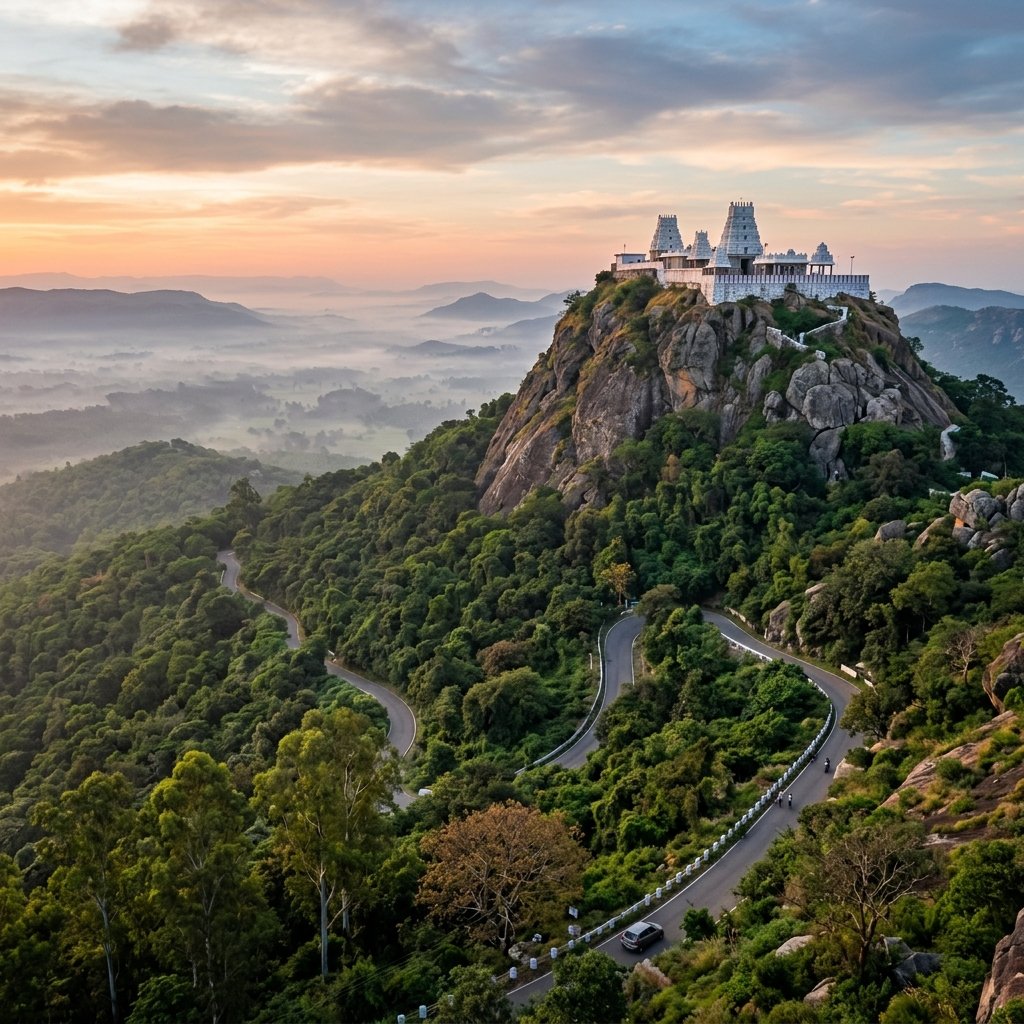 Devarayanadurga Hills📍 Devarayanadurga · nature
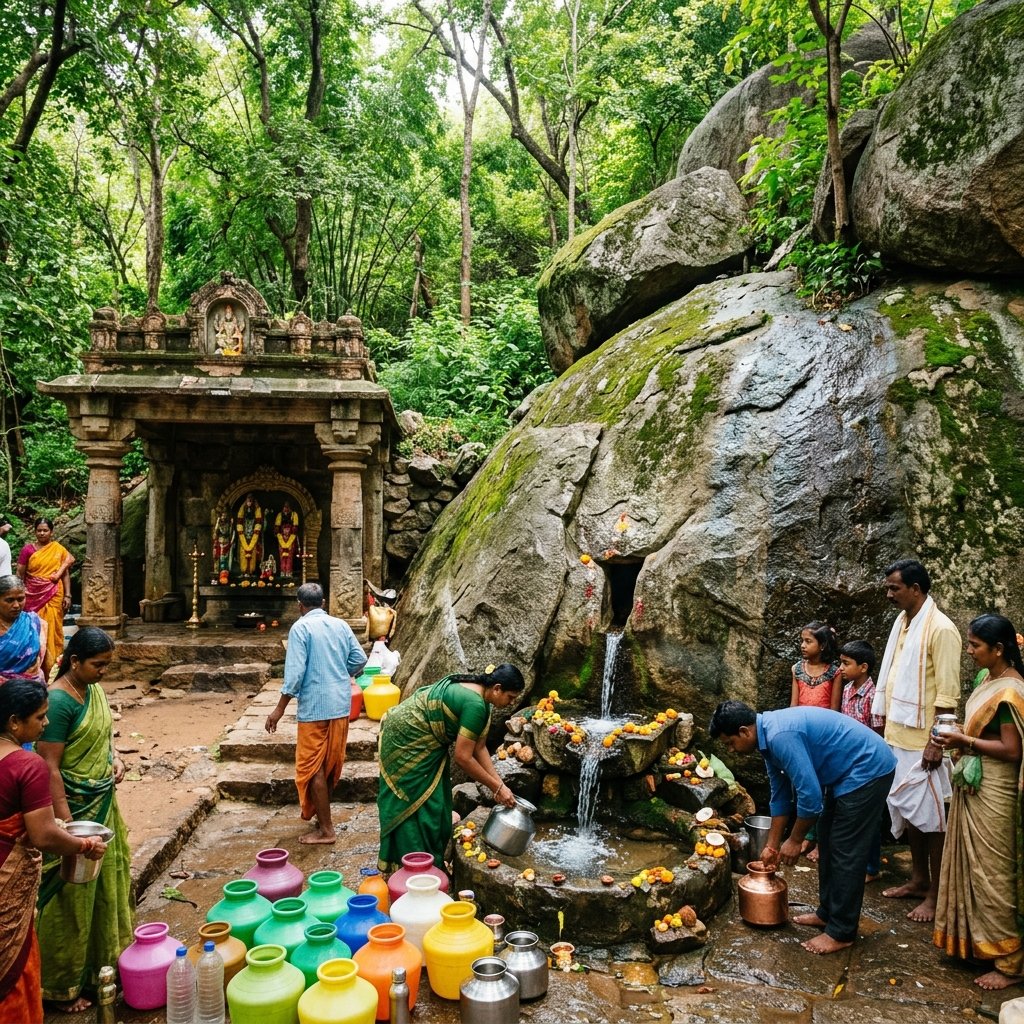 Namada Chilume📍 Devarayanadurga Reserve Forest · nature
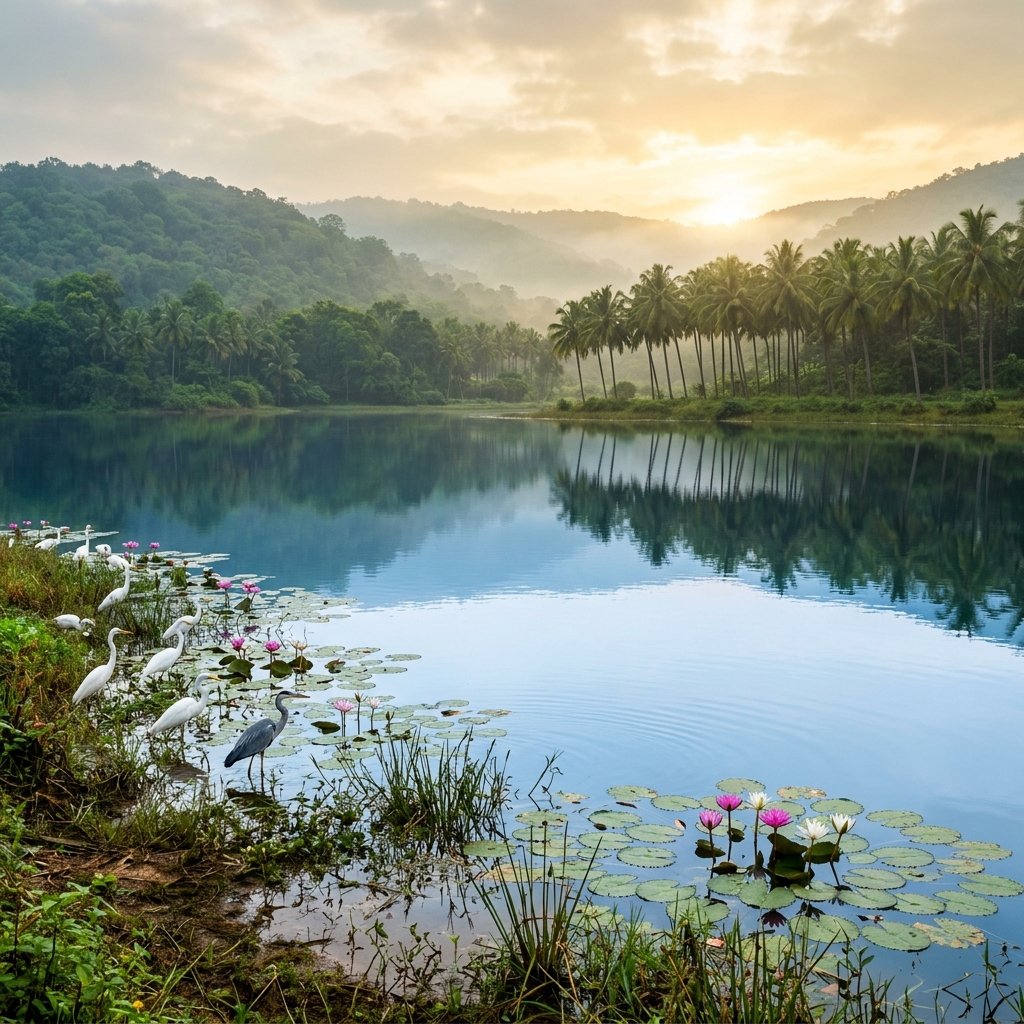 Pavagada Kere Heronry Bird Sanctuary📍 Pavagada Kere Basin · nature
 Kaggaladu Natural Water Spring📍 Kaggaladu Basin · nature
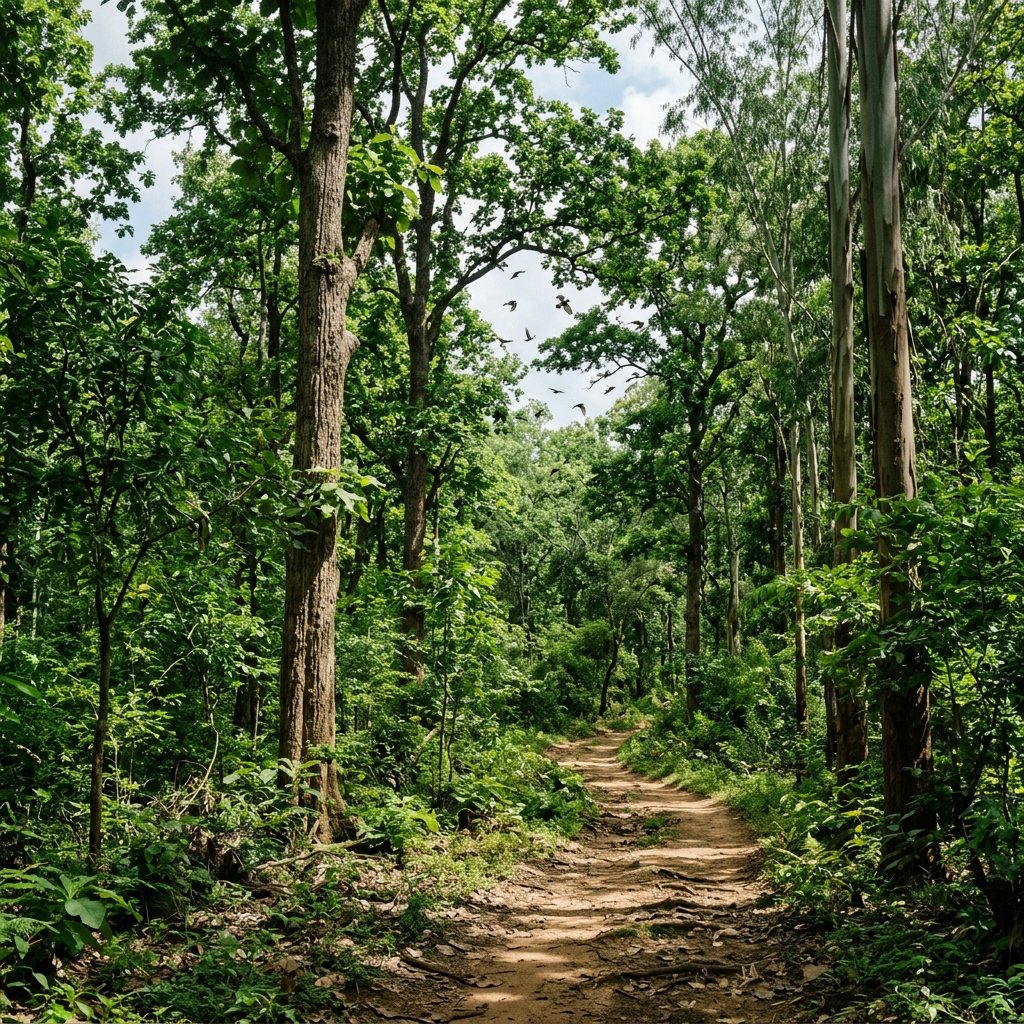 Markonahalli Eco-Trek Trail📍 Markonahalli Basin · nature
- Mangala Sunset Peak Point📍 Mangala Basin · nature
Discover More Places Near Tumkur
100+ tourist spots within 100km of Tumkur city
 spiritualnature
 trekking
 spiritualheritage
 spiritualtrekking
 trekking